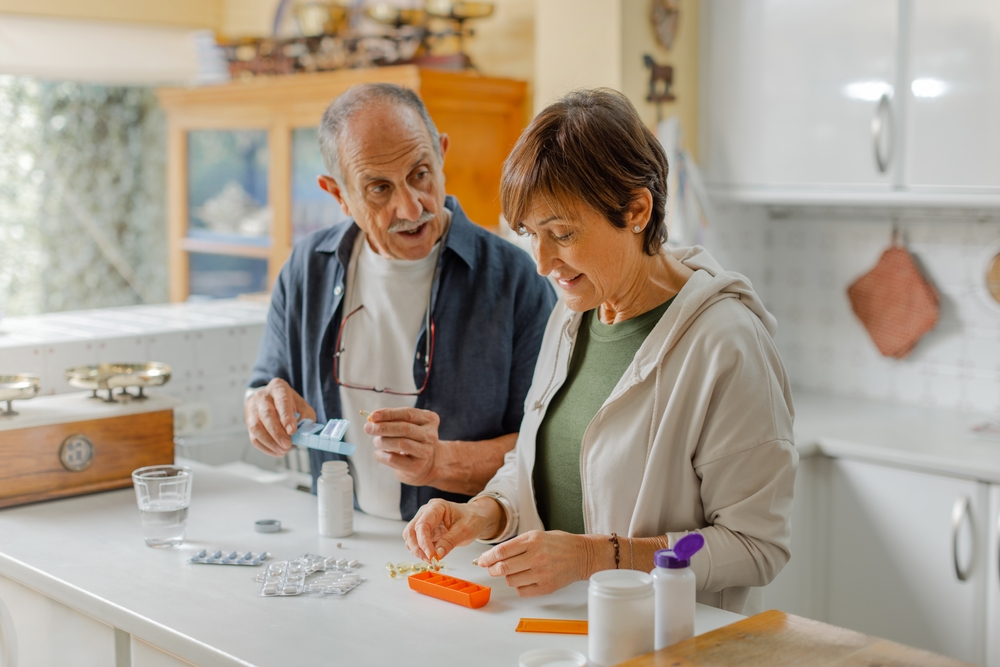
One of humanity’s biggest innovations across history has been the development of the modern medicine cabinet. We have created compounds that can manage chronic hypertension, regulate insulin levels with pinpoint precision, and prevent heart failure from progressing. However, even the most sophisticated pharmaceutical intervention has one glaring vulnerability: it only works if the patient actually takes it.
In clinical circles, this is known as medication adherence. In the reality of daily life, it is often a struggle against forgetfulness, confusion, and alarm fatigue. National data suggests that nearly half of all patients with chronic conditions do not take their medications as prescribed. The fallout is staggering, resulting in hundreds of billions of dollars in avoidable healthcare costs and, more importantly, hundreds of thousands of preventable deaths.
Traditional reminders like pillboxes or phone alarms have served as a baseline for years. Yet, these tools are limiting. They lack context, accountability, and connectivity. This is where Remote Patient Monitoring (RPM) steps in to transform a passive nudge into a proactive clinical intervention.
In this article, we’ll take a closer look at how remote patient monitoring helps:
- • Improve Adherence: By replacing passive alerts with real-time data, accountability becomes the standard.
- • Optimize Disease Management: With direct medication correlation intake, it’s easier to track physiological trends.
- • Reduce Healthcare Costs: Tiered intervention strategies alert healthcare teams before expensive complications occur.
Why Standard Alarms Are Not Enough
To understand why RPM is necessary, we must first look at why traditional methods fail. Most patients managing chronic diseases are not dealing with a single daily pill. They are often managing multiple medication regimens that must be taken at different times of the day, some with food and some without. It can be a challenge to track it all.
For example, many patients rely on standard smartphone alarms for medication reminders. However, standard alarms alarms are too easily dismissed when life gets busy. Because these notifications aren’t linked to a clinical team, a missed dose goes completely unmonitored. This creates a dangerous “compliance gap”: the provider assumes adherence while the patient’s health quietly declines in the dark.
Shifting From Observation to Integration
Remote Patient Monitoring redefines adherence by creating a closed-loop system. It moves the conversation from “Did you remember?” to “We know you took it, and we can see it is working.”
1. Rely on Real-Time Data and Accountability
Smarter adherence begins with connected hardware. Whether it is a smart pill dispenser that logs when a compartment is opened or a mobile application that syncs directly with a clinician’s portal, the data is live. When a dose is missed, the system does not just beep. It records a data point. This creates a level of accountability that empowers the patient. They are no longer managing their health in a vacuum, and they can trust that their care team is a digital partner in their daily routine.
2. See the Immediate Impact of Every Dose
Perhaps the most significant advantage of RPM is the ability to correlate medication intake with physiological results. If a patient with hypertension takes their medication and then uses a connected blood pressure cuff, the provider sees the immediate impact.
Consider a scenario where a patient’s blood pressure remains high despite the records showing perfect adherence. In a traditional setting, a doctor might simply increase the dosage or add a second medication. With RPM, the provider can look at the timing of the doses and the corresponding blood pressure readings to see if the timing is off or if the medication is truly ineffective. This level of precision prevents over-medication and ensures that clinical decisions are based on reality rather than guesswork.
3. Combat Alarm Fatigue Through Intervention
One of the greatest risks in digital health is that the patient could still engage. RPM platforms, like AccessibleRCM®, use tiered intervention strategies to prevent this.
- • Tier One: A gentle, automated notification on the patient’s preferred device.
- • Tier Two: If the dose is still not recorded after a set window, the system can notify a designated family member or caregiver. This brings a human element into the loop without requiring a clinician’s time yet.
- • Tier Three: If a pattern of non-adherence emerges over 48 to 72 hours, a clinical alert is triggered. A nurse or care coordinator can then reach out to the patient to identify barriers. Is it a side effect? A cost issue? Confusion about the dosage? This turns a potential crisis into a simple conversation.
Strengthening the Patient-Provider Relationship
There is a common misconception that remote monitoring replaces the human touch in medicine. In reality, it does the opposite. By automating the busy work of tracking and reminding, RPM frees up clinicians to have more meaningful interactions with their patients.
When a provider sits down with a patient (virtually or in person) and has a month’s worth of adherence and biometric data, the conversation changes. Instead of spending twenty minutes asking, “How have you been feeling?” and “Have you been taking your pills?”, the provider can say, “I see you struggled with your evening doses last Tuesday and Wednesday, which coincided with a spike in your glucose levels. Let’s talk about what was happening those days.” This is personalized medicine in its purest form.
The Economic Impact of Doing It Right
For healthcare organizations, the move toward smarter medication reminders via RPM is not just a clinical win; it is a financial necessity. Value-based care models increasingly reward providers for outcomes rather than the volume of services. Non-adherence is one of the primary drivers of hospital readmissions, particularly for conditions like heart failure and COPD.
By utilizing RPM to ensure patients stay on their regimens, health systems can significantly reduce the frequency of emergency room visits. The return on investment for RPM is found in the complications that never happen and the hospital beds that stay empty.
Overcoming the Barriers to Adoption
While the benefits are clear, the transition to RPM-enhanced adherence requires intentionality. Literacy, both digital and health-related, must be considered. The most effective RPM platforms are those that prioritize simplicity. Large fonts, intuitive interfaces, and automated data transmission (where the patient does not have to manually enter numbers) are essential for high adoption rates.
Furthermore, transparency regarding data privacy is paramount. Patients need to know that their data is being used to support them, not to police them. When patients understand that their care team is using this information to keep them safe and healthy at home, they are far more likely to embrace the technology.
A New Standard of Care
We are entering an era where taking your medicine is no longer a solitary task. Through Remote Patient Monitoring, medication adherence is becoming a shared journey between the patient, their family, and their healthcare providers.
By turning medication reminders into a smart, data-driven system, we do more than just prevent missed doses. We provide patients with the tools they need to take control of their own health. We move away from reactive care and toward a proactive, preventive model that keeps people where they want to be: out of the hospital and in their homes. The future of medicine is connected, and that connection starts with making sure every dose counts.Contact AccessibleRCM® today to learn how RPM can help seniors stay healthy and independent in their homes and make a difference for your family.